How to Cook Rib of Beef: A Delicious Guide
Cooking a succulent and tender rib of beef may seem like a daunting task, but fear not because, with a few simple tips and tricks, you’ll soon master the art of roasting this classic centrepiece and learn how to cook rib of beef perfectly.
Before you begin, it’s essential to select a high-quality rib of beef, ideally from a reputable butcher. Whether you prefer bone-in or boneless, a well-marbled piece with a good layer of fat will ensure your meat stays juicy and flavoursome as it cooks. Next, planning your cooking method and adjusting the cooking times to suit your desired level of doneness are critical aspects in achieving an exceptional rib of beef.
From seasoning and basting to choosing the right oven temperature and allowing the meat to rest, follow these steps to turn this delectable cut into a mouth-watering meal. Once you’ve mastered cooking a rib of beef, you will relish the opportunity to share it with your family and friends during special occasions or Sunday dinners.
Choosing the Right Rib of Beef
Types of Beef Ribs
When it comes to cooking a delicious rib of beef, selecting the right cut is crucial. There are two main types of beef ribs you’ll commonly find at the butchers:
- Back Ribs: These ribs come from the cow’s rib section and are known for their tender, flavourful meat. They’re usually smaller in size, with less meat compared to short ribs.
- Short Ribs: These come from the cow’s lower chest and are larger and meatier than back ribs. They’re ideal for slow-cooking methods like braising to break down the tougher connective tissues.
Selecting Tender Meat
A tender cut of meat is key to a mouth-watering rib of beef. Here are some tips to help you select the most tender meat:
- Grading: Look for a higher grade of meat, such as USDA Prime or the UK’s Red Tractor assurance, which indicates better quality.
- Marbling: The presence of white veins of fat throughout the meat, known as marbling, is a sign of a tender and flavoursome cut. Opt for beef with noticeable marbling for the best results.
- Ageing: Beef that has been aged, either wet or dry, will be more tender and full of flavour due to the breakdown of muscle fibres and connective tissues over time. Ask your butcher about the ageing process of the beef you’re considering.
Preparing the Rib of Beef
Removal of Membrane and Silver Skin
To prepare the rib of beef, begin by removing the membrane and silver skin. Lay the meat on a cutting board and use a sharp knife to carefully cut away the membrane, being cautious not to cut into the meat itself. Removing this tough layer allows the meat to absorb flavours and cook more evenly.
Seasoning and Rubs
Creating a homemade dry rub to season your rib of beef is really simple yet it makes such a difference. You’ll need the following ingredients:
- Garlic cloves
- Dried thyme
- Salt
- Pepper
To make the rub:
- Crush the garlic cloves into a paste.
- Mix together the garlic paste, dried thyme, salt, and pepper in a small bowl.
Generously apply the seasoning to the entire surface of the rib of beef, making sure to cover all sides. Once seasoned, let the rib of beef rest and absorb the flavours for about an hour before cooking. This will allow the dry rub to penetrate the meat and result in a tender rib of beef that’s full of flavour.
How to Cook Rib of Beef
Oven Roasting
To roast your rib of beef, preheat your oven to 240°C (220°C for fan-assisted ovens/Gas Mark 9), lightly oil, and season your beef. Place the beef on a roasting rack inside a roasting tin, bone-side down, and cook in the preheated oven for 20 minutes. Then, reduce the temperature to 190°C (170°C for fan-assisted ovens/Gas Mark 5) and continue cooking for the desired doneness:
- Rare: 20 minutes per 500g
- Medium: 30 minutes per 500g
- Well done: 40 minutes per 500g
Rest your rib of beef for 15-20 minutes before carving to allow the juices to redistribute through the meat.

Grilling
Grilling your rib of beef is another great option. First, prepare your grill for direct heat and brush your beef with oil and seasonings. Then, grill your beef, bone-side down, for 4-5 minutes per side, before moving it to indirect heat. Continue cooking to your desired doneness, using a thermometer to check the internal temperature:
- Rare: 50°C
- Medium: 60°C
- Well done: 70°C
Low and Slow Cooking
For tender and succulent results, try cooking your rib of beef using the low and slow method. Preheat your oven to 180°C (160°C for fan-assisted ovens/Gas Mark 4) and season your beef as desired. Place the beef into a roasting tin, bone-side down, and cover it with foil. Put your beef into the preheated oven and cook for 3-4 hours, regularly basting with juices from the tin.
How to Cook Rolled Rib of Beef
For a rolled rib of beef, follow these steps:
- Preheat your oven to 220°C (200°C for fan-assisted ovens/Gas Mark 7).
- Season and oil your rolled rib of beef.
- Place it on a wire rack inside a roasting tin.
- Cook for 20 minutes, then reduce the oven temperature to 180°C (160°C for fan-assisted ovens/Gas Mark 4).
- Continue cooking, calculating the time based on doneness preferences:
- Rare: 20 minutes per 500g
- Medium: 30 minutes per 500g
- Well done: 40 minutes per 500g
- Allow your beef to rest for 15-20 minutes before serving.
Sauces and Marinades
Barbecue Sauce Options
When you’ve decided how to cook rib of beef, you can enhance the flavour by using a delicious and tangy barbecue sauce. Here are some options to consider:
- Classic barbecue sauce: Combine ketchup, brown sugar, cider vinegar, Worcestershire sauce, and your choice of spices. This creates a perfectly balanced sweet, savoury, and tangy flavour.
- Smoky barbecue sauce: Add a touch of liquid smoke to your homemade barbecue sauce for an intense smoky undertone.
- Spicy barbecue sauce: To add some heat, mix in crushed chilli flakes or hot sauce into your barbecue sauce mixture.
Experiment with different combinations to find the perfect barbecue sauce for your rib of beef.
Cider Vinegar-Based Marinades
Cider vinegar not only tenderises your meat but also gives it a unique, fruity acidity. Here are some cider vinegar-based marinade ideas for your rib of beef:
- Basic cider vinegar marinade:
- 120ml cider vinegar
- 120ml water
- 1 tablespoon sugar
- 1 tablespoon salt
- 2 teaspoons freshly ground pepper
- Herbed cider vinegar marinade:
- 120ml cider vinegar
- 120ml olive oil
- 3 cloves garlic, minced
- 1 tablespoon fresh rosemary, finely chopped
- 1 tablespoon fresh thyme, finely chopped
- Salt and pepper, to taste
- Sweet and spicy cider vinegar marinade:
- 120ml cider vinegar
- 60ml honey
- 60ml soy sauce
- 1 tablespoon minced ginger
- 2 teaspoons chilli flakes
For best results, marinate your rib of beef in these mixtures for at least two hours – or even better, overnight – to maximise flavour and allow the meat to soak in the marinade. Remember to always store marinating meat in the fridge and discard leftover marinade that has come into contact with raw meat.
Resting, Cutting and Serving
Resting for Optimal Juiciness
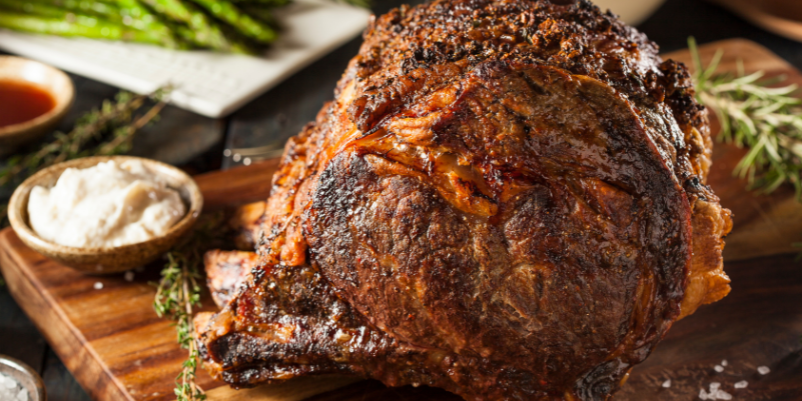
After cooking your rib of beef, it is essential to let it rest before cutting and serving. Resting allows the meat to reabsorb its juices, resulting in a tender and juicy texture. To do this, transfer your cooked rib of beef to a cutting board, create a loose tent with foil and leave it to rest for approximately 20 minutes. Avoid wrapping the foil too tightly, as you want to allow some heat to escape during this process.
Cutting Techniques
When it’s time to carve your rib of beef, use a sharp carving knife and a stable cutting board. Start by locating the rib bones and cutting along the bone from the top down to remove them. Then, place the rib-eye roast flat on the board and slice it into portions. Remember that thinner slices will be more tender and easier to eat, but thicker slices will be juicier.
Serving Suggestions
Now that you’ve carved your rib of beef, it’s time to serve. Your roast can be plated individually or arranged on a large platter for guests to help themselves. Try fanning the slices on the plate and drizzling any accumulated juices over the top.
Pairings
When it comes to accompaniments, traditional roast dinner sides like roasted potatoes, seasonal vegetables, and Yorkshire puddings are always a hit. If you’d like to offer your guests a choice of sauces, consider providing options such as:
- Horseradish sauce
- Red wine jus
- Peppercorn sauce
If you plan to store any leftovers, wrap them tightly in foil and refrigerate.
Nutritional Information and Dietary Considerations
Health Benefits of Beef Ribs
When you tuck into a serving of beef ribs, you’re not just enjoying a delicious meal; you’re also consuming a variety of essential nutrients. Beef ribs are an excellent protein source, supporting muscle growth and repair. A 100g serving provides around 25g of protein, helping you meet your daily requirements. Let’s take a look at the nutritional profile of beef ribs per 100g serving:
| Nutrient | Amount | Percent Daily Values* |
|---|---|---|
| Calories | 310 | |
| Total Fat | 24g | 37% |
| Saturated Fat | 10g | 50% |
| Cholesterol | 90mg | 30% |
| Sodium | 70mg | 3% |
| Total Carbohydrate | 0g | 0% |
| Dietary Fibre | 0g | 0% |
| Total Sugars | 0g | |
| Protein | 25g | |
| Calcium | 20mg | 2% |
| Iron | 1.8mg | 10% |
| Potassium | 290mg | 8% |
| Vitamin C | 0mg | 0% |
*Percent Daily Values are based on a 2000-calorie diet.
Medically Restrictive Diets and Substitutions
If you’re following a medically restrictive diet or just seeking healthier alternatives, consult your doctor or registered dietitian before making significant changes to your meals.
- Reduce the total fat and saturated fat in your beef ribs by trimming any visible fat before cooking. This can lower the total calorie intake.
- Substitute the beef ribs with leaner cuts of beef, such as sirloin, tenderloin, or round, which may be more suitable for those with specific dietary requirements. However, cooking methods may differ for these cuts.
- For a non-beef alternative, opt for turkey, chicken, or fish. These contain less saturated fat and provide important nutrients, making them good options for a healthier meal.
Please note that the nutritional information provided here is from the ESHA Research database and might vary based on factors like cut, cooking method, and any additional ingredients used.
Storage and Reheating
Refrigerating and Freezing Cooked Ribs
After enjoying your delicious rib of beef, you may have some leftovers that you’ll want to save for later. To ensure the best quality, storing cooked ribs properly is crucial. When refrigerating, be sure to:
- Allow your ribs to cool down to room temperature before placing them in the fridge. This will typically take around 30 minutes.
- Transfer the ribs to an airtight container or wrap them tightly in aluminium foil or plastic wrap.
- Store your ribs in the fridge between 1°C to 4°C for up to 3-4 days.
If you plan on freezing your ribs for longer storage, follow these steps:
- Wrap the cooled ribs tightly in aluminium foil or freezer-safe plastic wrap.
- Place the wrapped ribs in a sealable freezer bag, removing as much air as possible.
- Label the bag with the date and type of meat.
- Store the ribs in the freezer at a temperature of -18°C or lower for up to 3 months.
Reheating Methods for Optimal Taste
For best results, thaw frozen ribs in the fridge the night before. Here are some reheating methods:
Oven
- Preheat your oven to 180°C (160°C for fan-assisted ovens).
- Place the ribs on a baking tray with a wire rack and cover with aluminium foil.
- Reheat the ribs for 20-30 minutes until they reach an internal temperature of 74°C.
Microwave
- Place the ribs on a microwave-safe plate.
- Cover the ribs with a damp paper towel to prevent them from drying out.
- Reheat at 50% power for 2-3 minutes, checking the internal temperature with a food thermometer. Continue reheating in 30-second intervals until the ribs reach 74°C.
Grill
- Preheat your grill to medium heat.
- Place the ribs on a sheet of aluminium foil, and fold the edges to create a sealed pouch.
- Grill the ribs for 5-7 minutes per side until they reach an internal temperature of 74°C.
Remember to ensure your reheated ribs reach an internal temperature of 74°C for both safety and optimal taste.
Cooking a rib of beef can be daunting, but once you learn how to cook rib of beef to perfection, it can be one of the most delicious and rewarding meals you’ll ever make. By choosing the right cut of meat, seasoning it well, and cooking it to the right temperature, you can create a succulent, juicy, and flavourful dish that will impress your family and friends. So, next time you’re looking for a show-stopping meal, try rib of beef and enjoy the mouth-watering flavours it offers. Happy cooking!