Omelette vs Frittata
Omelettes and frittatas often get confused, and as they both have similar (if not the same) ingredients, it’s easy to see why. But, there are a few subtle differences in the way they are put together that make them taste and look different. So, omelette vs frittata, what’s the difference?
Both dishes start with eggs as their base and can include various ingredients such as vegetables, meat, and cheese. However, their preparation methods and presentation set them apart, adding unique characteristics to each of them.
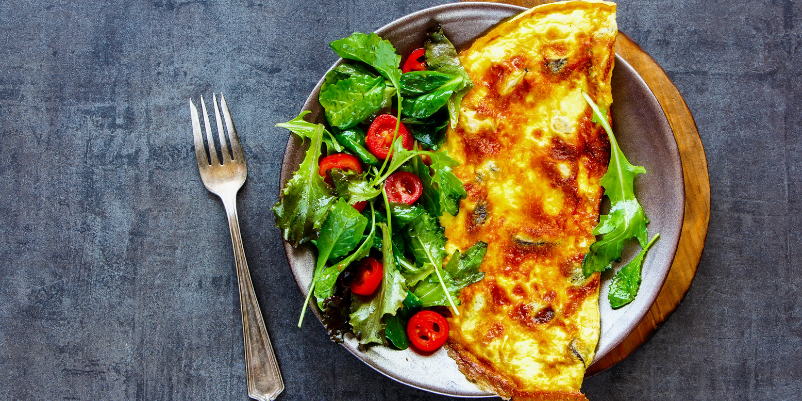
Omelettes are typically cooked quickly over high heat and served hot straight from the hob. The fillings are added on top of partially cooked eggs and then folded over, enveloping the ingredients within. On the other hand, frittatas are cooked slowly over low heat on the hob before being finished off in the oven until it’s golden brown. They are often served at room temperature, making them an ideal choice for make-ahead meals, picnics or larger gatherings. Frittata fillings are mixed in with the eggs and cooked together rather than being folded in the centre like omelettes.
Omelette vs Frittata: Understanding the Difference
There are some key differences between omelettes and frittatas in the way they are prepared and cooked.
Origins
When it comes to the origins of these egg dishes, omelettes come from France and have a long history dating back centuries. On the other hand, frittatas are Italy’s answer to the omelette.
Cooking Methods
The cooking methods for these two dishes differ significantly:
- Omelette: You typically cook an omelette quickly over high heat. The fillings are usually placed on top of the egg mixture and then folded over to create the final dish. You serve an omelette hot straight from the stove.
- Frittata: Frittatas are cooked more slowly over medium-low heat using a cast-iron pan or oven-safe frying pan. You mix the fillings directly into the egg mixture in the pan. The frittata starts cooking on the hob and is then finished in the oven or under a grill. It’s typically served either warm or at room temperature.
Texture
Aside from their origins and cooking methods, there’s a noticeable difference in the texture of omelettes and frittatas:
- Omelette: The high heat used in cooking an omelette makes it light and fluffy, and it’s often considered a side dish rather than a main course.
- Frittata: The lower heat and slower cooking method make the frittata denser and more like a crustless quiche. You can serve a frittata as a main course.
Preparing the Base: Eggs, Dairy and Other Ingredients
There are some essential components if you want to create a delicious omelette or frittata.
Eggs
For both omelettes and frittatas, you will need to start with eggs. It is best to use fresh eggs at room temperature. This will help with even cooking and a better overall texture. Crack your eggs into a bowl and whisk them well to prepare the base. Make sure to whisk until the yolks and whites are fully combined. Both omelettes and frittatas tend to use similar amounts of eggs, typically around 2-4 per serving, depending on the size of your pan and desired thickness.

Dairy Choices
You can add in some dairy options to enhance your egg base:
- Milk: Adding a small amount of milk (around 2 tablespoons per 2 eggs) to your whisked eggs can create a lighter, fluffier texture for your omelette or frittata. This is particularly useful when preparing an omelette, as it can help the eggs cook more evenly.
- Cream: If you prefer a richer, creamier omelette or frittata, use cream instead of milk. Use the same ratio as you would for milk (2 tablespoons per 2 eggs). This will add some extra indulgence to your dish.
- Butter: When it comes to cooking your omelette or frittata, butter is a popular choice for greasing your pan. Melt an appropriate amount of butter (typically around 1 tablespoon) in your pan over low to medium heat before pouring in your egg mixture. This will not only prevent sticking but also enhance the flavour and texture of your dish.
Adding milk or cream is entirely down to personal preference, and you may want to experiment with different combinations to find what best suits your taste. To create a unique twist on an omelette or frittata base, you can also try other dairy options, such as yoghurt or crème fraîche.
Creating the Perfect Filling
It’s the filling that really makes the dish – and you can pretty much choose whatever you’ve got leftover in the fridge.
Types of Fillings
Meat: Add a touch of protein by incorporating meats like bacon, sausage, or ham. Remember to cook the meat before adding it to your eggs.
Cheese: A wide variety of cheeses can be used to enhance the taste of your dish. Popular choices include cheddar, mozzarella, feta, and goat cheese.
Vegetables and Herbs: Veggies like onions, potatoes, peppers, and mushrooms can add depth to your filling. Fresh herbs like basil, parsley, or coriander can provide an extra layer of flavour.
You can mix and match these to create your own filling.
Variations
You can personalise your omelette or frittata with some regional and international twists. Here are a few examples:
- Spanish Omelette: This traditional Spanish dish consists of thinly sliced potatoes, onions, and sometimes peppers, layered with eggs, to create a filling, wholesome meal.
- Tip: To achieve the best texture, fry the potatoes in oil before adding them to the egg mixture.
- Veggie-loaded Omelette: Focus on getting your five-a-day by packing your omelette with a colourful mix of vegetables like spinach, tomatoes, and bell peppers. Top it off with a sprinkle of cheese to enhance the flavour.
- Tip: Briefly sauté the veggies before adding them to prevent them from releasing excess moisture into your omelette.
- Herb-Infused Frittata: Make your dish more aromatic by using a combination of fresh and dried herbs like rosemary, thyme, and oregano. This can turn a simple egg and cheese frittata into a fragrant and delicious feast.
- Tip: If you’re using fresh herbs, chop them finely and add them to the egg mixture.
- Meat Lovers’ Delight: Get creative with your meat options. Add shredded chicken, chorizo, or smoked salmon to your omelette or frittata.
- Tip: Cook your meats beforehand and blot them with a paper towel to remove excess oil.
Let your imagination run wild and enjoy the delicious variety of omelettes and frittatas!
Techniques for Cooking Frittatas and Omelettes
These two egg dishes might seem similar at first glance but actually have different cooking methods.
Frittatas
Start by whisking your eggs well in a bowl when preparing a frittata. Mix in your choice of fillings, such as cheese, vegetables, or meats. Make sure you pre-cook any ingredients that require longer cooking times.
Next, heat your oven-safe frying pan or cast-iron pan over medium-low heat. Add a small amount of oil or butter, then pour in the egg mixture. Cook the frittata slowly, allowing the mixture to set as it cooks on the hob. Avoid stirring, as you want the fillings to remain evenly distributed throughout the dish. Once the edges are set, but the centre is still a bit wobbly, transfer the pan to a preheated oven at 180°C (Gas Mark 4) or under a hot grill.
Cook the frittata in the oven for an additional 5-10 minutes or until the top is golden brown and the centre has fully set.

Omelettes
Begin by whisking the eggs in a separate bowl until they are well combined. Prepare your choice of fillings but do not mix them in with the eggs; instead, you’ll add them later.
Heat a non-stick frying pan, preferably one with sloping sides, over medium-high heat. Add a small amount of oil or butter to the pan. Once hot, pour in the egg mixture. The eggs will cook quickly, so be prepared to act fast.
As the egg mixture sets, use a spatula to gently push the cooked portions from the edges towards the centre, allowing the uncooked eggs to flow to the edges. Once the omelette is mostly set but still a bit moist on top, it’s time to add your fillings.
Layer the fillings on one half of the omelette, then carefully fold the other half over to cover the fillings. Cook for another 30 seconds to a minute until the fillings are heated through and any cheese is melted.

Serving Sizes and Presentation
Serving Sizes
When it comes to serving sizes, both omelettes and frittatas offer flexibility depending on your needs. Omelettes are typically made for one and can be customised to each person’s preferences. On the other hand, Frittatas are great for feeding groups of people. You can easily make a large frittata and cut it into wedges to serve at breakfast, brunch or even dinner. When I make a frittata, it usually serves all five of us alongside some side dishes.
Dish Presentation
The presentation of these dishes depends on the context in which they’re being served. Omelettes are often folded or rolled around their fillings, creating an attractive plated dish that’s perfect for a lighter breakfast or brunch. When plating your omelette, you can add a garnish like fresh herbs or a light sprinkling of cheese to make it look extra special.
Frittatas provide a more versatile option when it comes to dish presentation. Served hot, warm, or at room temperature, they’re suitable for breakfast, brunch, or even as a main dish for dinner. You can present it whole or cut into slices or wedges, making it easy to serve for larger gatherings. Frittatas can also be prepared ahead of time, allowing you to focus on other aspects of your meal.
Nutrition and Health Benefits
So are omelettes and frittatas good for you?
Calories and Nutrients
Both dishes offer significant nutritional value, particularly in terms of protein, calories, and fat content. However, these values can vary greatly depending on the ingredients you choose to include.
Omelettes are typically made with whole eggs and filled with your choice of ingredients. A basic two-egg omelette would provide around 140 calories, 10g of fat, and 12g of protein. Incorporating toppings such as spinach and feta or ham and cheese could increase the calorie and fat content. For example:
- A two-egg omelette with spinach and feta adds approximately 100 calories, 7g fat, and 5g protein
- A two-egg omelette with ham and cheese adds approximately 150 calories, 9g fat, and 10g protein
Frittatas are similar in composition to omelettes but are denser due to their slower cooking method. A two-egg frittata portion with no additional ingredients contains roughly 150 calories, 9g of fat, and 13g of protein. Just like an omelette, incorporating toppings such as spinach and feta or ham and cheese can enhance the nutritional profile. For example:
- A two-egg frittata portion with spinach and feta adds roughly 110 calories, 7g fat, and 6g protein
- A two-egg frittata portion with ham and cheese adds about 160 calories, 10g fat, and 11g protein
Though both dishes provide a good source of protein, vitamins, and minerals, to maximise nutrition, consider adding more vegetables to boost fibre and micronutrients. If you’re looking to reduce fat and calorie intake, you could opt for egg whites instead of whole eggs. Ultimately, the health benefits of omelettes and frittatas are highly dependent on your choice of base and ingredients.

Customisation and Leftovers
So how can you make these dishes really unique, and what can you do with the leftovers?
Customising the Dish
One of the great things about both omelettes and frittatas is the ability to customise them to your liking. With various toppings and ingredients available, you can create a unique dish that suits your taste buds. Mix and match different vegetables, meats, and cheeses to make a meal that’s delicious and tailored to your preferences.
If you’re a fan of omelettes, you’re already familiar with how their thin, tender texture can be filled with various ingredients. For example, try adding mushrooms, spinach, and feta cheese for a Mediterranean-style twist or a combination of ham, cheese, and tomato for a classic Western-style omelette.
On the other hand, Frittatas offer a slightly different approach to customisation. Since the fillings are mixed into the eggs prior to cooking, you get a more uniform distribution of flavours throughout the dish. You can experiment with different combinations, such as sundried tomatoes, olives, and goat cheese, or go for a hearty option with sausage, peppers, and onions.
Using up your Leftovers
Both omelettes and frittatas are an excellent way to use leftovers, whether veg, meat, or cheese from previous meals. Incorporating these leftovers reduces waste and adds a unique twist to your dish, making every meal enjoyable.